
What Custom Windows Cost and Why
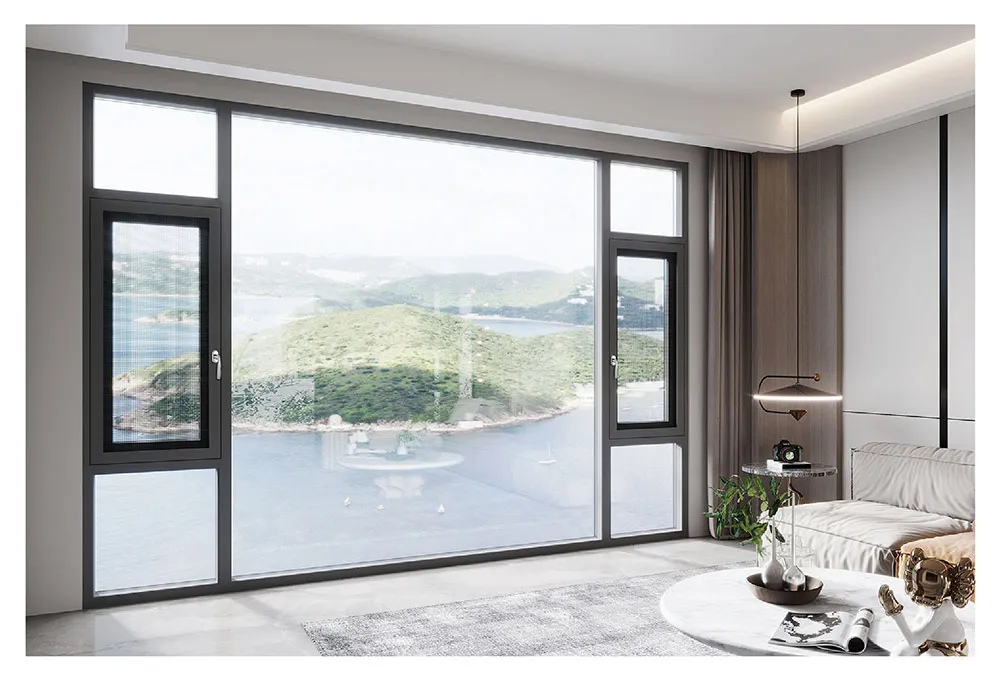
A stock window is designed once and built a thousand times. A custom window is designed once for one opening. That single difference explains most of the price gap, and it also explains why two custom quotes for the same opening can differ by 40 percent without either supplier being dishonest.
Five cost drivers
- Engineering and drawings. Every custom unit needs shop drawings, and often a structural check for deflection at the specified wind load. This is a fixed cost per unit and it does not shrink for small orders.
- Extrusion and tooling. Standard profiles are already in the die bank. A non-standard profile or a bespoke colour may require a die, a minimum order quantity, or a dedicated powder coating run.
- Glass fabrication. Non-rectangular shapes, oversized lites, and unusual make-ups cannot run on a standard insulating line. Curved and shaped glass is a specialist process with its own lead time.
- Hardware adaptation. Standard hardware fits standard stiles. A bespoke configuration often needs modified hardware or a different operating mechanism, and each variant carries its own approval and test.
- Testing and documentation. If the custom assembly must meet a performance class, it needs test evidence. Testing one assembly costs the same whether you order one unit or two hundred, which is why small custom orders carry a disproportionate share of that cost.
Where custom is worth the money
Custom pays when the opening is architecturally important and the standard range cannot reach it: a full-height glazed corner, a shaped opening following a stair, a historic profile that has to match a neighbouring facade, or a performance target that no stock system meets. It also pays when a single custom size replaces several stock units plus infill panels, because the infill is where the appearance and the water management usually fail.
Custom is usually the wrong answer when the only difference is the colour, or when a stock unit plus a well-detailed jamb extension achieves the same appearance. Those decisions should be made with a price in hand, not from a rule of thumb.
How to keep a custom budget under control
- Standardize the repeat units and customise only the exceptions. Every repeated size amortizes drawings and setup.
- Stay inside the existing profile system. A new die is a large fixed cost for a small visual gain.
- Fix the glass make-up early. Changing coating or cavity after drawings are issued forces re-engineering and often re-testing.
- Sign drawings before fabrication. A change after the frames are cut is scrap, not a revision.
If you have an opening that the standard range does not cover, send a dimensioned sketch and the performance requirement. We will tell you whether it can be met with a modified standard system or whether it needs a bespoke design, and what each route costs.
Need this checked against your project?
Send us your drawings or the code requirement — our engineers reply within 12 hours.