
Maintaining Aluminum Doors and Windows: A Practical Checklist
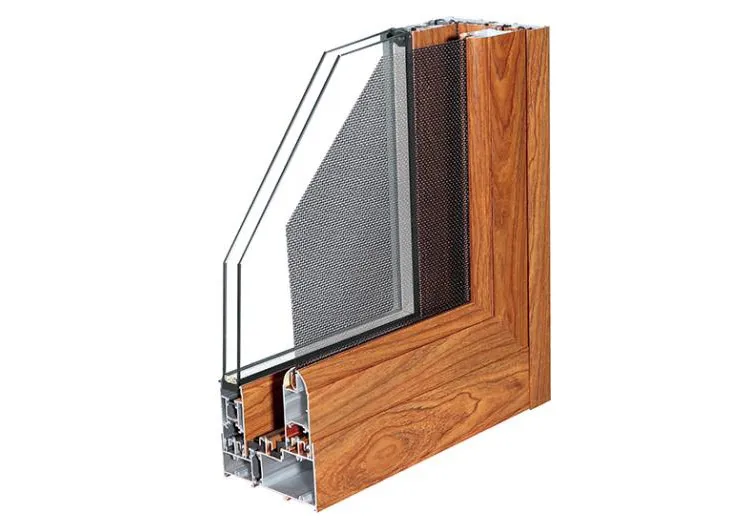
Aluminum windows and doors are sold as maintenance-free, which is not accurate. The aluminum itself is durable, particularly with a factory-applied finish, but the assembly includes gaskets, hardware, sealant and drainage paths, and all four degrade. The good news is that the checks are simple and mostly visual.
Twice a year: cleaning
Wash frames with a mild detergent and water, using a soft cloth or sponge, and rinse. Do not use acidic or alkaline cleaners, abrasive pads or solvents: they attack the finish and, on anodized profiles, can leave permanent marks. Pay particular attention to the sill and the bottom track, where dirt collects and holds moisture against the finish.
Clean the drainage slots in the sill and the bottom rail. These are small and they are the first thing to block. A blocked slot means water stands inside the profile, which corrodes the section from the inside and eventually finds a path to the interior.
Twice a year: operation
- Open and close every operable sash and door through its full travel. Note any point where it binds, scrapes or requires force.
- Lubricate hinges, locking points and rollers with a silicone or PTFE lubricant. Avoid grease that attracts dust, and avoid oil on the gaskets.
- Check the lock engagement. A lock that needs lifting or pushing to latch indicates the frame or the sash has moved.
- On sliding units, check the track for grit and the rollers for flat spots. A worn roller is cheap to replace and expensive to ignore, because a dragging sash damages the track.
Annually: seals and gaskets
Gaskets shrink and harden with age and UV exposure, and a gasket that has pulled back at the corners leaves a direct water path. Run a finger along the gasket line; it should feel resilient and continuous. Where it has shrunk, replace the section rather than stretching it back, because a stretched gasket will not seal. Check the sealant at the perimeter of the frame as well: any cracking, detachment or gap should be cut out and renewed, not over-coated.
Annually: the parts you cannot see
Look at the fixing positions. If the cover caps are missing, the screw heads are exposed to weather and will corrode. On coastal projects, check for white corrosion product around fixings, which indicates galvanic activity between a steel fastener and the aluminum frame. Also check the interface between the frame and the wall for staining, which usually means water is getting behind the frame.
What voids a warranty
Three things most often do: acidic or abrasive cleaning that damages the finish, paint or render splashed on the frame and left, and site modifications such as drilling extra holes in the profile without sealing them. If a contractor needs to drill the frame, the hole must be sealed afterwards, and it should be recorded.
A note on performance testing
The performance figures quoted for a system, air tightness, water tightness and wind resistance, come from laboratory tests of a representative unit, including repeated operating cycles. They describe the design, not the condition of an installed unit after ten years without maintenance. The annual checks above are what keep an installed assembly near its tested performance.
We supply a maintenance schedule with every project and can provide replacement gaskets, rollers and hardware for systems we delivered years ago. If a unit is no longer operating properly, send photographs of the hardware and the gasket line and we will identify the part.
Need this checked against your project?
Send us your drawings or the code requirement — our engineers reply within 12 hours.