
Wooden Door Maintenance: Five Things That Matter
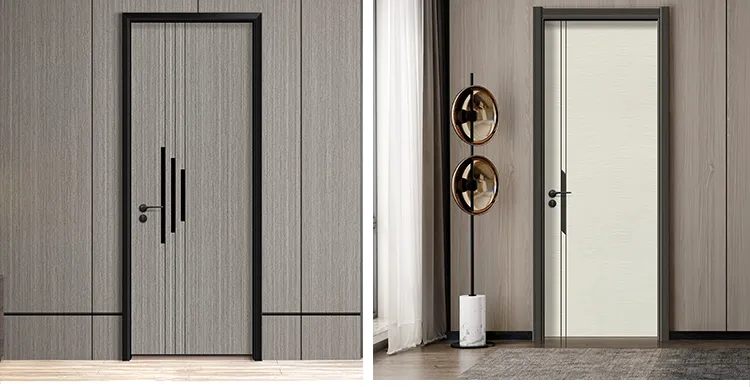
A timber door does not wear out from use. It fails from moisture at the points where the coating has broken down, and those points are predictable: the bottom rail, the lock stile, the top edge and any glazing rebate. Maintenance is therefore less about polishing and more about keeping those four places sealed.
1. Seal all six faces, including the top and bottom
The most common omission in door finishing is the top and bottom edge. Moisture enters through an unsealed edge far faster than through a face, and the bottom rail sits closest to the wet ground. Seal every face before hanging, and re-coat the bottom edge at every maintenance cycle. This single habit does more for door life than any product claim.
2. Watch the bottom rail and the sill
Water reaching the bottom rail comes from three directions: rain driven against the door, splash from the paving, and capillary action from a sill that does not drain. Check that the sill drains outward, that the door sits clear of standing water, and that the bottom rail coating is intact. If the bottom rail feels soft or the finish has blistered, moisture is already inside and the repair is more than cosmetic.
3. Re-coat on a cycle, not on appearance
A finish that looks fine can be near the end of its protection. Exterior timber on a sheltered elevation typically needs attention every two to three years; an unsheltered, sun-exposed or west-facing door may need it annually. Test by wetting a small area: if the water beads, the coating is working; if it darkens the timber, the coating has failed there and the area needs sanding back and re-finishing.
4. Keep the hardware and the timber independent
Water gets behind handles, letter plates, locks and glazing beads, and the timber underneath stays wet because it cannot dry. Check the seals around every fitting, and keep the fixings tight enough that water cannot track behind them but not so tight that the timber is crushed. Where a lock case sits in the stile, ensure the mortice is sealed during finishing.
5. Control the environment, not just the door
Timber moves with humidity, and a door in a new building moves most in the first heating season. Keep interior humidity within a moderate range, avoid directing a heat source at the door face, and leave a small allowance at the lock side so the leaf can expand. A door fitted tight in a dry season will bind in a wet one, and a door fitted with a wide gap will rattle in the dry season.
What to do about glazed panels
Where a timber door contains glass, the rebate and the glazing bead are the weak points. Check the sealant or the glazing tape at each panel annually, and confirm that water cannot stand in the rebate. A leaking glazed panel usually shows first as a dark stain on the interior face of the stile below the glass.
If you are choosing between exterior timber and aluminum for an exposed entrance, send the location and the shelter condition. We will tell you what maintenance cycle each material implies on that elevation, which is usually the deciding factor.
Need this checked against your project?
Send us your drawings or the code requirement — our engineers reply within 12 hours.