
Choosing Screws for Window and Door Installation
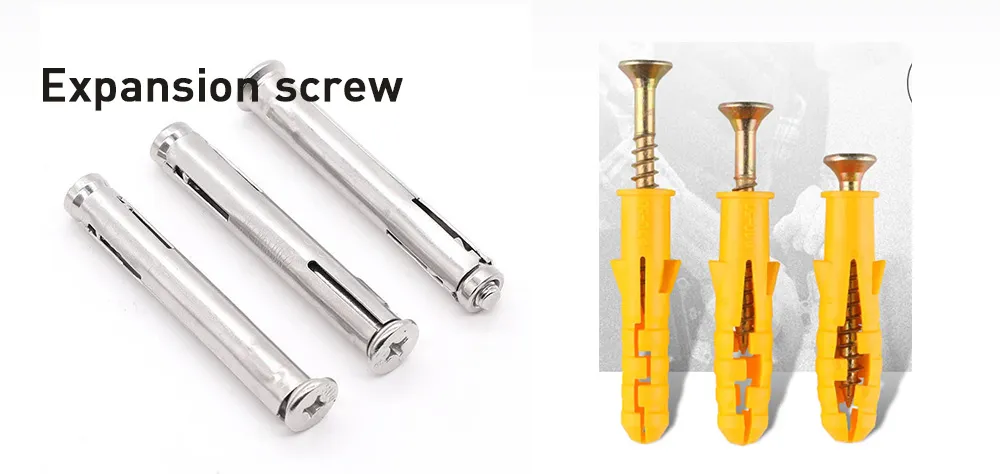
Fixing is the least discussed and most consequential part of an installation. The frame is only as rigid as its connection to the structure, and in coastal or humid environments the fixing is also the first component to corrode. Three screw types cover nearly all fenestration work.
The three types
- Expansion anchors. For masonry, brick and concrete. The anchor expands against the hole wall, so the holding capacity depends on the substrate strength and on the hole being drilled to the correct diameter and depth. In hollow block or low-strength brick they are unreliable, and a chemical anchor or a through-fixing is the correct substitute.
- Self-tapping screws. For metal framing and for fixing into a steel or aluminum substrate where a pilot hole is drilled first. They form their own thread in the material and are the standard for light-gauge steel studs.
- Self-drilling screws, also called drill-tail or tek screws. They drill and tap in one operation, which makes them the default for steel frame connections and for attaching brackets where access for a pilot drill is difficult.
Substrate decides the type
Match the fastener to what is behind the frame, and confirm it before drilling. A masonry anchor in a stud wall holds nothing; a self-drilling screw into brick has almost no pull-out capacity. On renovation work the substrate is often not what the drawing says, which is why a test fixing in an inconspicuous location is worth the two minutes.
Corrosion, and why it matters more than strength
Two mechanisms attack fenestration fixings. The first is straightforward rust: a zinc-plated screw in a coastal environment will show corrosion within a few seasons, and stainless steel is the baseline for exterior work near salt water. The second is galvanic corrosion, which occurs when a dissimilar metal contacts aluminum in the presence of moisture. A steel screw in direct contact with an aluminum frame becomes the anode, and the frame around it corrodes. Insulated washers, a coated fastener or a stainless fastener of suitable grade avoids it.
Practical specification points
- Name the substrate and the fastener type separately in the specification, so the installer cannot substitute on site.
- Require stainless fasteners for exterior and coastal work, and state the grade.
- Specify the fixing spacing from the frame design, and never rely on the installer to space them by eye.
- Require the fixing positions to be sealed after installation, because the hole through the frame is a water path.
We publish the recommended fixing type and spacing for each of our systems in the installation manual. If your project is coastal or the substrate is unusual, send the wall build-up and we will confirm the fixing schedule before the first frame goes in.
Need this checked against your project?
Send us your drawings or the code requirement — our engineers reply within 12 hours.